The latest articles from Treco about everything biomass from the Renewable Heat Incentive and biomass boilers to district heating, drying system and waste-to-energy (WtE).
Heating oil prices remain volatile and expensive. Discover how switching to biomass can reduce costs, improve energy security, and future-proof your heating system.…
Delivering biomass and low carbon heating projects across the UK since 2006
Treco celebrates 20 years of delivering biomass and low carbon heating systems across the UK, from individual installations to large-scale district heating projects.…
A practical guide to HLA, HLC and IRMA under the RHI, explaining when each applies and how they impact heat metering, compliance and system performance.…
The key stages involved in commissioning a biomass boiler.
Commissioning is the final stage that brings a biomass boiler system into service. It involves detailed checks of the installation, testing of mechanical and electrical components, controlled fuel firing, and verification that the system meets its performance and safety requirements.…
Biomass heating is becoming an increasingly practical choice for UK farms, offering a reliable alternative to oil or LPG for everything from poultry sheds and glasshouses to grain drying and holiday lets. With supermarket buyers pushing for lower carbon footprints,…
Highland Heritage Woodworks have upgraded their sawmill and drying kiln with a woodchip biomass boiler, supplied and installed by Treco. The project strengthens their commitment to sustainable timber production, with video footage offering a look from the customer’s perspective.…
The total plantroom installed cost for a biomass heating system in the UK in 2025 varies significantly based on size, fuel type, and complexity, but generally ranges from £45,000 for a small commercial 50kW system up to over £300,000 for…
See how a Treco industrial biomass boiler installation is fuelled using a walking floor system. This short clip shows the process of loading woodchip onto a walking floor.…
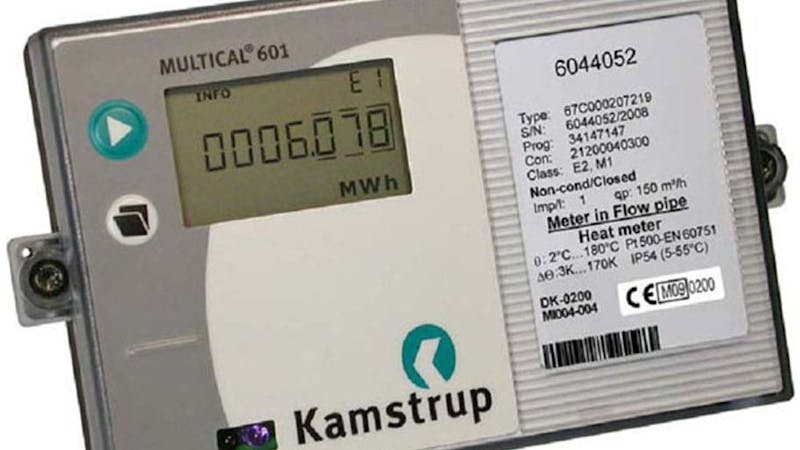
Accurate, in-date heat metering is vital for RHI-accredited biomass systems. After around 10 years, meters must be recalibrated or replaced; if not, Ofgem can pause payments and apply a 10% penalty. This guide explains when to act, the role of…
We are pleased to report that our Alcumus SafeContractor accreditation has just been renewed for the next 12months. This is a Safety Schemes in Procurement accreditation that assesses and verifies information across our various practices in health, safety, financial and…