Can Estate Woodland Replace Heating Oil?
Could managed woodland provide enough fuel to heat a country estate and reduce reliance on oil?
3 minute read
Return to the article listCan Estate Woodland Replace Heating Oil?
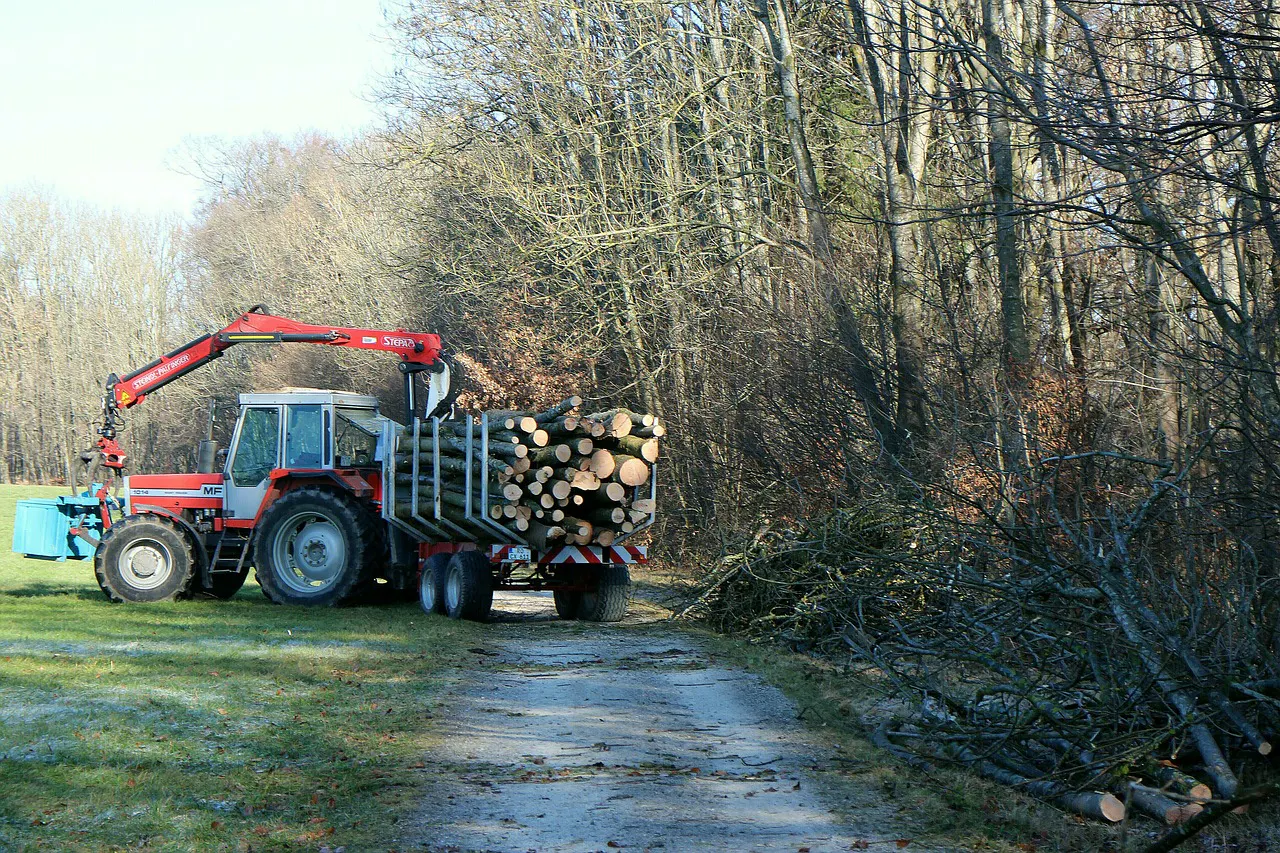
Many UK country estates rely on oil or LPG to heat large houses, cottages, offices, and estate buildings. With fuel costs remaining unpredictable and carbon emissions becoming a growing consideration, many estate owners are asking whether existing woodland could be managed to produce fuel to satisfy their heating demand.
For this example, let’s assume a typical estate includes:
· A 1,000-acre estate
· A 10,000 sq ft main house
· 200 acres of woodland
While every estate is different, this gives a useful starting point for understanding the potential role of woodland in estate heating.
Can a country estate be heated using woodland?
In most cases, yes. Estates with managed woodland will be able to use biomass heating to replace heating oil or LPG demand, depending on woodland yield, heat demand, and the type of heating system in place.
Managed woodland can provide biomass fuel in the form of wood chip or logs. As a broad guide, woodland may yield around 2 cubic metres of timber per acre each year, with an approximate energy value of around 5,000kWh per acre.
Using our example:
200 acres × 5,000kWh = 1,000,000kWh of potential energy per year
Actual usable heat will vary depending on moisture content, system efficiency, woodland management, and fuel processing, but the figures demonstrate the potential scale of available energy.
How much oil does a large country house use?
A large country house of around 10,000 sq ft may use approximately 15,000 litres of heating oil per year, although this depends on insulation levels, occupancy, and how the property is used.
In our experience, many older country houses were not designed with energy efficiency in mind, which can result in much higher heat demand!
Many estates also heat:
· Estate cottages
· Holiday accommodation
· Workshops and offices
· Leisure or commercial buildings
As a result, annual oil or LPG consumption across an estate can become a significant operating cost.
How much woodland would an estate need to replace heating oil?
The amount of woodland required depends on overall heat demand, but estates with established woodland may already have a substantial energy resource available.
Taking the example cited, 200 acres of woodland would yield circa 2 cubes of wood per annum, with an energy value of around 5000kWh, so total energy value of :-
200acres x 5000kWh/acre = 1,000,000kWh.
Heating oil contains approximately 10.3kWh of energy per litre.
Based on our example:
1,000,000kWh of woodland energy ÷ 10.3kWh per litre = approximately 97,000 litres of Heat Oil (kerosene) equivalent
This represents far more energy than all but the largest estate could ever use.
Could biomass reduce heating costs on a country estate?
Biomass will help reduce reliance on heating oil or LPG, particularly on estates with high heat demand, multiple buildings, and existing woodland resources.
Estates often consider biomass where:
· Oil or LPG costs are high
· Multiple buildings need heating
· Long-term fuel cost stability is important
· Reducing heating-related carbon emissions is a priority
Biomass is not suitable for every property, but in most situations, it can provide greater control over long-term heating costs.
What are the carbon savings of biomass compared to heating oil?
Biomass heating can significantly reduce heating-related carbon emissions compared to kerosene.
Typical industry figures suggest approximate emissions of:
Fuel Type Approximate CO₂ Emissions
Heating oil (kerosene) 260kg CO₂/MWh
Wood chip biomass 18kg CO₂/MWh
Using 1,000MWh of heat demand as an example:
· Heating oil emissions are broadly comparable to around 100 family diesel cars
· Wood chip biomass is closer to around 7 family diesel cars
For an estate using around 15,000 litres of heating oil annually, emissions are roughly comparable to approximately 15 family diesel vehicles per year.
Is biomass heating suitable for listed or older buildings?
Yes. Older and listed buildings often have high heating demand, which can make biomass a great option, particularly where multiple buildings are heated from a central boiler system.
However, suitability depends on factors such as:
· Existing heating infrastructure
· Space for fuel storage and plant equipment
· Heat demand across the estate
· Woodland management plans
· Listed building or planning considerations
For estates with significant heating costs and existing woodland, assessing the potential of biomass heating can be worthwhile as part of a longer-term energy strategy.
Looking at heating options for a large house or rural property? Explore our Private Estate Case Studies to see how other estates have approached biomass heating.